
Ferragamo Handbags as an Financial Play: Resale Value Considerations
Purchasing a designer handbag has forever existed somewhere between indulgence and calculated planning, and in 2026 more buyers are treating a Ferragamo bag as a line item in a personal portfolio rather than a pure luxury. Salvatore Ferragamo built its name on craftsmanship, Florentine leatherwork, and a house signature-element system that features the Gancini clasp and Vara bow, both of which command market-recognized worth in the resale market. That legacy counts when a bag changes hands years later, because buyers on resale platforms factor in house narrative as much as physical state. What follows explores what really determines resale value for Ferragamo bags, which styles tend to hold their worth best, and how the brand compares to a few of its closest competitors when it comes to worth erosion over time.
Once a Ferragamo bag re-enters the market, its performance is far from uniform, and grasping the key factors is really what separates a shrewd acquisition from a closet decoration. Notwithstanding the fact that such pieces are designed to endure ten years or more, in contrast to disposable trend pieces, with consignment shops and peer-to-peer marketplaces regularly pairing it alongside Gucci, Prada, and Bottega Veneta.
The Factors Behind a Ferragamo Bag’s Resale Worth
Scarcity, wear level, and ongoing demand for a specific silhouette — this trio, more than the label itself — dictate resale value in most cases. A price surprisingly close to its original tag can be driven by a restricted manufacturing batch, a unique metal accent, or a association with a runway moment. Leather quality carries similar weight: Ferragamo’s calfskin and saffiano develop over time in their own manner, with calfskin tending to develop a patina that collectors embrace or steer clear of depending on care history. And a real price bump — occasionally representing eight to twelve percent of the final resale price per consignment sellers who track completed sales — often comes from original packaging, dust bags, and authenticity cards.
Most first-time buyers underestimate how much color choice matters, yet it has a substantial effect on resale value. Take hardware condition, for instance — it’s carefully examined by buyers, since dulled or scuffed hardware can reduce by ten to twenty percent an asking price even when the leather itself looks pristine. Meanwhile, black, cognac, and cream consistently beat trend-chasing ferragamo hug bag seasonal colors on the resale market because they resonate with a larger audience of shoppers, and a firm-shaped top-handle style in a classic shade will typically retain worth more effectively than a soft-shaped hobo bag in a loud motif that feels outdated within a couple of seasons.
To wrap things up, documented provenance and proof of purchase from an official ferragamo retailer or the label’s own stores put buyers at ease that they are looking at an authentic piece, which helps sustain a stronger resale cap. Since shoppers discount for doubt, pieces without proper paperwork or authorized sourcing generally bring lower prices, even when genuine.
Best Ferragamo Bags for Long-Term Value
As buyers research the best Ferragamo bags or ask which styles rank as the top Ferragamo bags for resale, the focus usually centers on a handful of recognizable families rather than a lone hero bag. The Gancini-hardware totes and structured satchels tend to be the most requested on the secondary market because the hardware itself is an instantly identifiable brand signal, even to buyers who are not deep into fashion. As a rule, more architectural forms beat out softer, looser shapes, since they photograph better for resale listings and wear in a more flattering way over time.
Mini and top-handle formats have also gained traction among younger buyers entering the secondhand market, partly because smaller bags are easier to style across seasons and partly because they command lower entry prices, which widens the buyer pool for a future resale. A bag that only appeals to a niche audience will always face a smaller resale market than one with broad, cross-generational appeal, so buyers hunting for the best Salvatore Ferragamo bags for investment purposes tend to prioritize versatility over novelty.
Limited-edition collaborations and archival reissues from Salvatore Ferragamo often outperform standard seasonal releases in resale value, and it’s worth pointing out they sometimes retain seventy percent or more of original retail price within the first two to three years. That kind of retention is rare in the broader handbag market and reflects genuine collector demand rather than simple brand loyalty.
Ferragamo Bags Overview: Materials, Construction, and Why They Matter for Resale
A proper Ferragamo bags overview has to start with materials, since construction quality is the single biggest predictor of how a bag ages over five or ten years of ownership. The brand has historically worked with vegetable-tanned and chrome-tanned leathers supplied by Italian tanneries, and the finishing techniques used on Ferragamo leather goods are a key factor supporting higher resale prices relative to mass-market brands. Stitching density, edge painting, and lining quality are details that experienced resale buyers check before finalizing a purchase, and Ferragamo bags generally score well on all three when properly maintained.
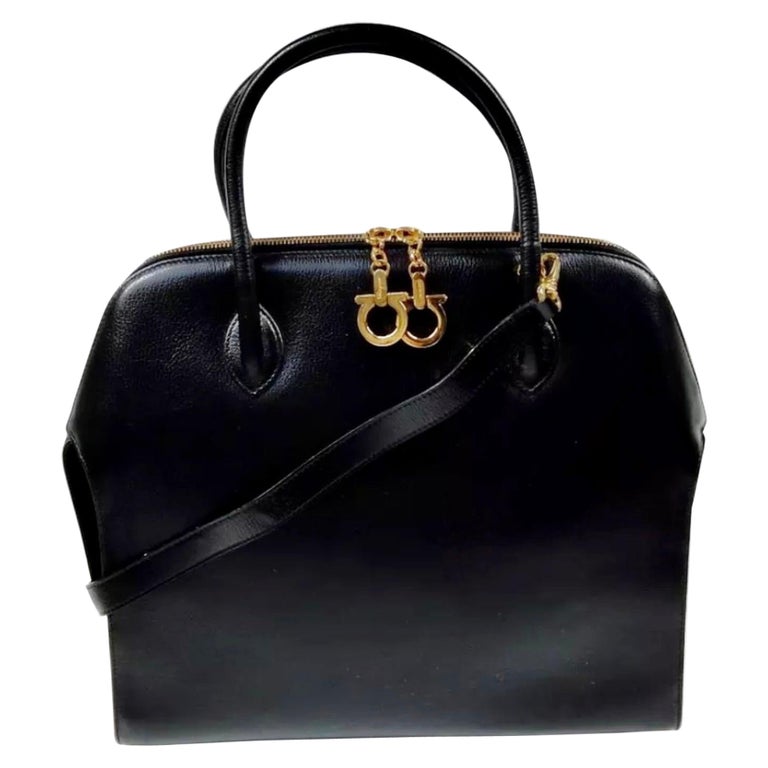
How well a piece holds its shape is another consideration that is frequently ignored by first-time sellers. A handbag stuffed too full over a long stretch or left without adequate backing while in storage can take on a warped silhouette that is hard to correct, and that factor by itself can reduce its resale worth by a significant amount regardless of how clean the leather appears. Buyers on the resale market are growing ever more sharp about insisting on shots of the lining, images of base wear, and close-up shots of the hardware prior to purchase, so sellers who store their bags properly and rotate use tend to come out ahead financially at the point of resale.
Because how sought-after the brand is has made it a common mark for counterfeiters, genuineness remains a persistent theme throughout any ferragamo bags overview. Serial numbers, stamped logos, and consistent stitching patterns are among the features that authentication services check, and bags bought new or obtained through vetted channels carry a real advantage at resale, since buyers pay a premium for reassurance.
Ferragamo in Context: A Resale Snapshot
Since resale outcomes varies meaningfully across the luxury bag space, side-by-side brand comparisons are valuable for shoppers weighing where to invest. The table below reflects broad patterns in resale value retention reported by consignment platforms and secondhand marketplaces monitoring sales activity through late 2025 and into 2026, with attention to classic, non-limited styles in good condition.
| Label | Typical Resale Retention (2-3 years’ time) | What Drives Value Most |
|---|---|---|
| Salvatore Ferragamo | between 45% and 60% | Structured shapes, Gancini hardware, and quality Italian leather |
| Gucci | 50% up to 65% | Logo recognition, GG canvas, collaboration pieces |
| Prada | 40% to 55% | Long-lasting Saffiano leather and enduring minimalist style |
| Bottega Veneta | 55%-70% | A cult following, subtle branding, and the signature Intrecciato weave |
Depending on condition, color, and whether the specific bag is a current or discontinued style, these percentages can shift, though the trend stays fairly consistent throughout the resale market. Ferragamo occupies a solid middle position here, which shows a brand with strong heritage recognition but slightly less aggressive resale buzz than Bottega Veneta’s cult-favorite pieces. That middle position can actually be an advantage for buyers, since it often means more accessible starting prices with reasonably strong value retention instead of the excessive markups attached to the most hyped names.
Practical Tips for Choosing a Ferragamo Bag While Thinking About Future Resale
For treating a Salvatore bag as a true investment, buyers should start by purchasing through an authorized ferragamo shop or the brand’s official channels — verified provenance consistently produces stronger resale outcomes. Preserving original packaging, dust bags, and receipts is not just smart upkeep; it is a tangible contributor to eventual resale price, often adding measurable percentage points to a final sale. Opting for neutral leather colors over seasonal prints is another safe decision that rewards buyers years down the line, since classic tones simply have a bigger buyer pool.
Ongoing conditioning of the leather, attentive storage using the dust bag rather than plastic, and steering clear of overstuffing all extend the lifespan of a bag and safeguard its resale ceiling. It also helps to research which ferragamo bags have traditionally held value well before buying, since not every style performs equally, and a little groundwork upfront can prevent disappointment at resale time. For those sizing up alternatives, reading through a full ferragamo bags overview from a reliable source, looking through completed listings on resale platforms, and weighing similar styles across a few brands gives a realistic picture of what to expect financially.
At the end of the day, a Ferragamo handbag purchased thoughtfully, cared for properly, and selected with resale patterns in mind can serve as both a wearable luxury item and a fairly stable store of value. It isn’t guaranteed to top every competitor across the board, but its blend of heritage, craftsmanship, and steady demand makes it a sound choice for anyone assembling a thoughtful handbag collection in 2026.